
The Evolving Landscape of Access to Education in Pakistan
- By Anwar Khan -
- Apr 14, 2026


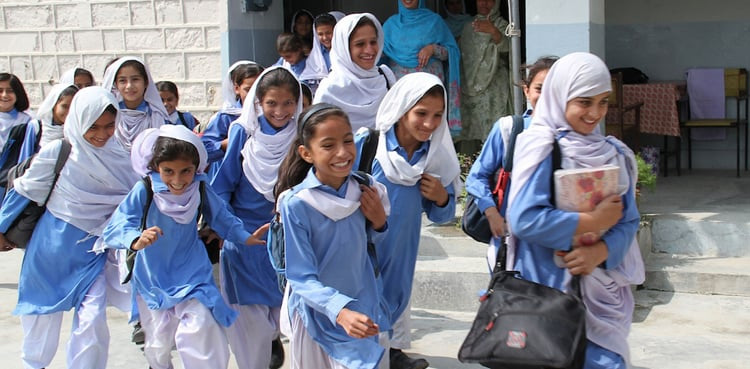
Access to quality education, once confined by geography, income, and social barriers, is now undergoing a powerful transformation, yet the gaps remain deeply visible. In Pakistan, as in many developing nations, millions still struggle to access formal education due to financial constraints, gender inequality, and uneven infrastructure. At the same time, the post pandemic world has accelerated the shift toward digital learning, bringing both new opportunities and new challenges.
Technology is often seen as a great equaliser, reshaping how education is delivered and experienced. Virtual classrooms, self paced courses, and remote learning platforms are opening doors for students and professionals who were previously excluded.
However, the reality is more complex. The digital divide continues to limit access, particularly for those in rural and underserved communities where internet connectivity and devices remain out of reach. For many women, these barriers are even more pronounced.
Women’s education continues to sit at the heart of the access debate. Social norms, safety concerns, and economic pressures often place learning on the back burner for girls and women. Yet, the impact of educating women is undeniable, contributing to stronger families, more stable economies, and healthier societies. Expanding access for women is not just a moral imperative but a strategic one.
In response to these evolving challenges, educational institutions are reimagining traditional systems. There is a clear shift toward lifelong learning, where education is no longer limited to a specific phase of life but becomes a continuous journey. Flexible pathways, skills-based programmes to address labour market needs, and micro credentials are emerging as practical solutions to meet the needs of a rapidly changing workforce.
Amid this shift, initiatives such as Aga Khan University’s LEADS, a virtual learning platform, quietly reflect a growing commitment to inclusive education. By offering largely self paced courses designed for low bandwidth environments, such efforts acknowledge the realities faced by learners across different contexts. They represent a move toward education that adapts to people, rather than expecting people to adapt to rigid systems.
The future of education in Pakistan will depend on how effectively institutions, policymakers, and communities work together to close these gaps. Technology alone cannot solve inequality, but when paired with thoughtful design and inclusive intent, it can become a powerful tool for change.
At its core, education is about unlocking potential. The real progress will come when access to learning is no longer a privilege, but a possibility for all.